Press Release
Rovum Sparks Buzz as ROV Enters the DeFi Spotlight

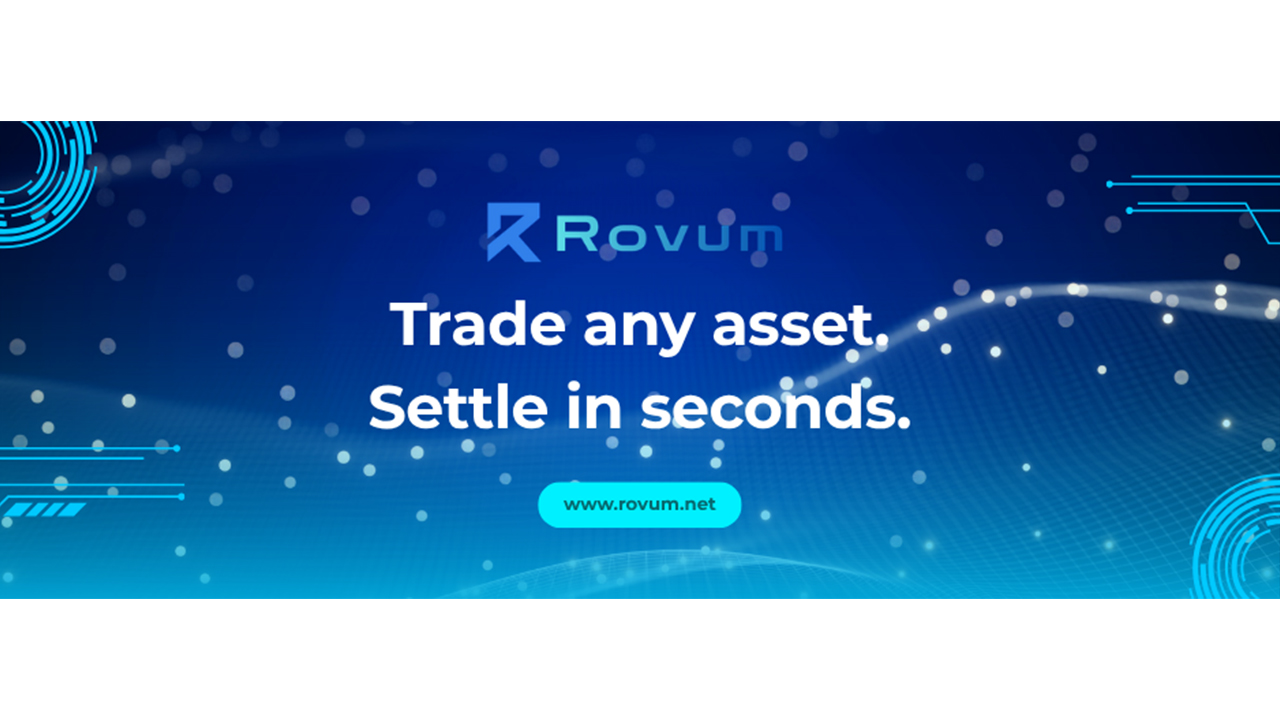
Rovum is sparking new buzz across the digital asset market as ROV enters the DeFi spotlight with a growing narrative around on-chain settlement, cross-asset trading, AI routing, and non-custodial market access. As crypto users continue searching for projects that combine utility with strong market positioning, Rovum is beginning to stand out as a project focused on one of the most important areas of decentralized finance: how assets move, settle, and remain under user control.
The DeFi sector has changed significantly since its early days. At first, most attention was focused on token swaps, liquidity pools, lending platforms, and yield strategies. While those use cases helped create the foundation for decentralized finance, the next stage of the market is becoming more advanced. Users now want access to multiple asset types, better liquidity routes, faster settlement, and a trading experience that does not depend on centralized custody.
Rovum is entering this new phase with a settlement-layer approach designed for modern on-chain markets. Instead of focusing only on one asset category or one blockchain environment, Rovum is building around a broader framework that can support crypto assets, tokenized real-world assets, multi-chain liquidity, and AI-powered execution. This gives Rovum a strong position as ROV gains more attention inside the DeFi conversation.
Rovum Brings a Settlement-First Vision to DeFi
One of the reasons Rovum is gaining buzz is its settlement-first model. In every financial market, settlement is critical. It is the process that confirms a transaction has been completed and that ownership has transferred. Without reliable settlement, market activity becomes slower, riskier, and less transparent.
Traditional finance still relies on many settlement systems that involve delays and intermediaries. Crypto has introduced faster settlement through blockchain technology, but DeFi still faces challenges because liquidity and assets are spread across different chains, protocols, wallets, and trading venues. This fragmentation creates friction for users who want a smoother trading experience.
Rovum is building around the idea that settlement should be a core part of on-chain market infrastructure. The project aims to support faster, more transparent, and more direct asset movement through an on-chain model. This gives Rovum a stronger identity than basic trading platforms because it focuses on the deeper infrastructure behind decentralized markets.
For DeFi users, this is important. The next generation of decentralized finance will likely require systems that can handle more assets, more liquidity sources, and more complex trading paths without forcing users into unnecessary steps. Rovum is positioning itself as part of that next wave.
ROV Gains Attention as Utility Becomes More Important
ROV is the native token of the Rovum ecosystem, and its role is becoming a key part of the project’s growing DeFi story. As the market becomes more selective, users are paying closer attention to token utility. They want to know what a token does, how it supports the ecosystem, and why it matters beyond short-term market hype.
ROV is connected to Rovum’s utility model, including ecosystem participation, staking, governance, fee-related benefits, and protocol activity. This gives the token a clearer role inside the platform. Instead of existing separately from the project’s purpose, ROV is tied to the growth and usage of Rovum’s settlement-layer ecosystem.
This is one reason ROV is entering the DeFi spotlight. DeFi users often look for tokens connected to actual platform functions. A token with governance, staking, and protocol utility can build a stronger narrative than one that depends only on attention. Rovum is using ROV as part of a broader ecosystem strategy focused on participation and infrastructure.
As Rovum continues building awareness, ROV becomes part of the story around on-chain settlement, AI routing, real-world asset access, and non-custodial trading. This gives the token multiple narrative angles inside one ecosystem.
AI Routing Adds Strength to the Rovum DeFi Narrative
Another major reason Rovum is gaining buzz is its AI routing engine. DeFi markets are highly fragmented, and liquidity can exist across many different venues and chains. A user may not know which route gives the most efficient execution path, especially when moving between different asset types or blockchain networks.
Rovum’s AI routing engine is designed to help identify better paths across supported markets. This gives Rovum a practical technology angle because artificial intelligence is connected to a real DeFi problem: route optimization. Instead of using AI only as a buzzword, Rovum applies it to execution and liquidity access.
This matters because execution quality is becoming more important in DeFi. As users become more experienced, they care not only about what assets they can trade, but also how those trades are routed and settled. Better routing can reduce friction and make the trading experience more efficient.
Rovum’s AI routing model supports the project’s larger settlement-layer vision. Routing helps determine the path of a transaction, while settlement confirms the transaction on-chain. By connecting these two functions, Rovum is building a more complete infrastructure story for DeFi markets.
Rovum Connects DeFi With Real-World Asset Access
Rovum also stands out because it connects DeFi with the growing real-world asset narrative. Tokenized real-world assets are becoming one of the most important themes in crypto because they bring traditional market exposure into blockchain-based systems. These assets can include tokenized stocks, commodities, indices, and other financial instruments.
For DeFi, RWAs create a major opportunity. They can expand the market beyond crypto-native assets and give users access to broader financial exposure. However, tokenized assets need infrastructure to become useful. They need liquidity, routing, settlement, and non-custodial access.
Rovum is positioning itself around this need by building a cross-asset settlement framework. The project aims to support movement between crypto assets and tokenized real-world assets through an on-chain experience. This gives Rovum a stronger DeFi narrative because it is not limited to one narrow asset category.
As RWA demand grows, DeFi platforms that can support tokenized assets may become increasingly important. Rovum is entering this conversation with a model that combines settlement, routing, and user control.
Non-Custodial Access Gives Rovum More DeFi Credibility
Self-custody remains one of the core principles of decentralized finance. Users want access to markets without giving up control of their assets. After years of centralized exchange failures and custody-related risks across the crypto industry, non-custodial infrastructure has become even more important.
Rovum is designed around wallet-based interaction and on-chain settlement. This means users can interact with the ecosystem while maintaining control of their assets. For DeFi users, this is a major advantage because it supports transparency and reduces reliance on centralized platforms.
This non-custodial model gives Rovum stronger credibility inside the DeFi market. The project is not only focused on speed or asset access. It is also focused on user control, which remains one of the most important values in crypto.
When combined with instant settlement and AI routing, Rovum’s non-custodial design creates a more complete DeFi infrastructure story. Users want smarter tools, but they also want those tools to respect self-custody. Rovum is building around both needs.
Why Rovum Is Entering the DeFi Spotlight
Rovum is entering the DeFi spotlight because it combines several powerful market narratives into one ecosystem. The project is focused on on-chain settlement, ROV utility, AI-powered routing, real-world asset access, multi-chain liquidity, and non-custodial execution. These are all themes that matter as decentralized finance becomes more advanced.
The buzz around Rovum is also connected to timing. Crypto users are looking for infrastructure projects that can support the next stage of market growth. Basic swap platforms are no longer enough. The market needs systems that can handle cross-asset movement, smarter execution, and broader asset access.
ROV is gaining attention because it sits at the center of Rovum’s ecosystem. As the native token connected to protocol utility, staking, governance, and participation, ROV becomes part of the project’s broader DeFi narrative. This gives the token a stronger role as Rovum builds visibility.
Rovum’s growth story is not only about hype. It is about a larger shift in DeFi toward infrastructure that can support real usage. Faster settlement, better routing, tokenized asset access, and self-custody are becoming important parts of the future on-chain market experience.
As the DeFi sector continues to evolve, projects that solve infrastructure problems may gain stronger attention. Rovum is positioning itself as one of those projects by focusing on how assets move, settle, and interact across markets.
With ROV entering the DeFi spotlight, Rovum is building buzz around a clear and powerful idea: decentralized finance needs smarter settlement infrastructure for the multi-asset future. That message is helping Rovum stand out as one of the projects to watch in the next phase of on-chain finance.
Official website: https://rovum.net



Solo Developer Takes Three-Year Retro Arcade Project On-Chain With $GGLIDE Launch on Pump.fun

GGD (Global Gold DAO) Launches Tokenized Physical Gold Ecosystem on BNB Chain

Ave AI Completes Arc Integration Ahead of September 16 Mainnet Launch

5 best crypto exchanges of 2022

Blockchain Applications made Simpler with Dappatoz

Meet TABOO, the unique token that gives reward for every transaction
-
 Press Release5 years ago
5 best crypto exchanges of 2022
-
 Press Release6 years ago
Blockchain Applications made Simpler with Dappatoz
-
 Press Release5 years ago
Meet TABOO, the unique token that gives reward for every transaction
-

 Bitcoin7 years ago
Bitcoin’s Gravity: How Idea-value Feedback Loops Are Pulling People in
-
 Press Release6 years ago
Cloud Mining: How Multimine is Making Crypto Mining Operation More Seamless.
-
 Press Release6 years ago
SHA-256 – The best combination of Bitcoin mining, Cloud, and affordable Hash Power
-

 Press Release7 years ago
LISTING OF LEVL ON A SECOND EXCHANGE
-
 Press Release7 years ago
EXMR FOUNDATION NETWORK “LABS OF DAPPS & PROJECTS” MORE INFO.